
Five Checks Before Buying Heat-Safety Gear
Prepare for heat with an exposure plan, water, a cooling location, optional gear, and emergency contact steps instead of relying on one product.
2 min read
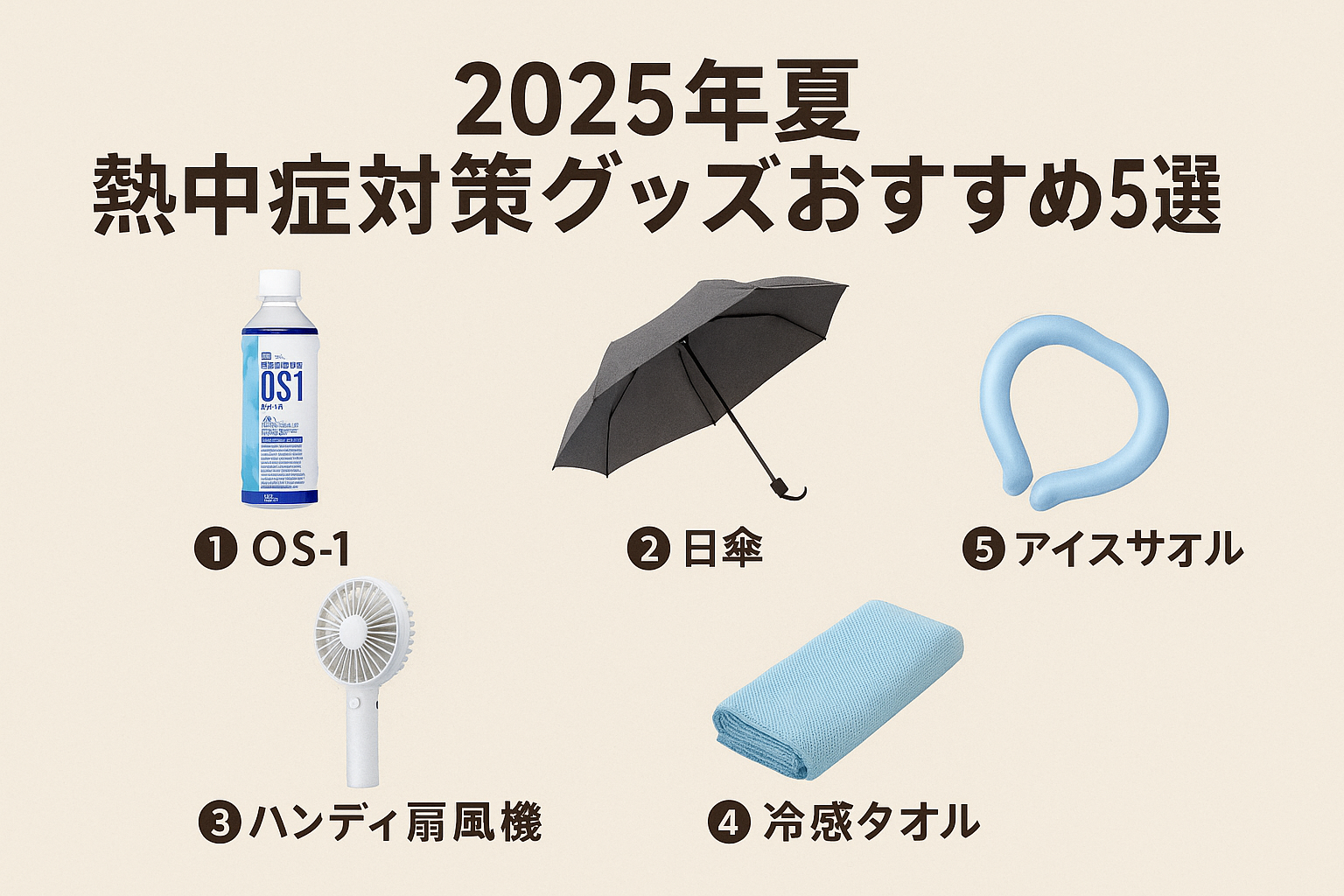
Heat-safety preparation is not complete when one cooling product has been purchased. Combine an exposure decision, access to water, a cool location, communication, and a response plan.
1. Set a condition for changing the activity
Check the local heat alert or heat index before leaving. Decide in advance when the activity will be delayed, shortened, moved indoors, or cancelled. A fan or cooling towel is not a reason to remain in an unsafe environment.
2. Carry water and identify a refill point
CDC/NIOSH workplace heat recommendations emphasize accessible water, rest, and adjustments as heat, humidity, sun, clothing, and workload increase. Pack enough for the planned interval and know where it can be replenished.
People with fluid or sodium restrictions, relevant medication, or a medical condition should follow individualized clinical advice instead of a general quantity from a blog.
3. Do not treat electrolyte products as universally necessary
The CDC/NIOSH hydration fact sheet says water will generally maintain hydration during work in heat when regular meals replace lost salt; balanced-electrolyte drinks may be useful after several hours of prolonged sweating. It also warns that excessive fluid intake can be dangerous.
Check the product label and the person's health conditions. This article does not recommend salt tablets or a fixed amount for every reader.
4. Use cooling equipment as an aid
Shade, a hat, cooling cloth, or cold pack can support a plan to reduce heat exposure. Follow product instructions for skin contact, duration, charging, and use by children. Do not assume that a product name proves a specific medical effect.
5. Carry a communication plan
Have a charged phone, emergency contact, and a way to share the current location. Move a person with possible heat illness to a cooler area and begin appropriate cooling. If the person has altered consciousness or cannot safely drink, call local emergency services and do not force fluids.
Packing note
- local heat alert and the cancellation threshold;
- water and refill location;
- shade or indoor cooling location;
- optional cooling equipment and its instructions;
- charged phone and emergency contact; and
- individualized medical restrictions.
Conclusion
The priority is to reduce exposure, hydrate appropriately, notice symptoms, and escalate when necessary. Equipment can support those actions, but a product should not be treated as proof of prevention or treatment.
Primary sources checked
Important claims should also link to the relevant source in the article body.
- Heat Stress HydrationCDC/NIOSH · public-medical · Checked: 2026-07-26
- Workplace RecommendationsCDC/NIOSH · public-medical · Checked: 2026-07-26