
Seven Functions to Check in a Family Evacuation Kit
Build an evacuation kit around household needs, local hazards, water, medication, light, communication, sanitation, and actual carrying weight.
2 min read
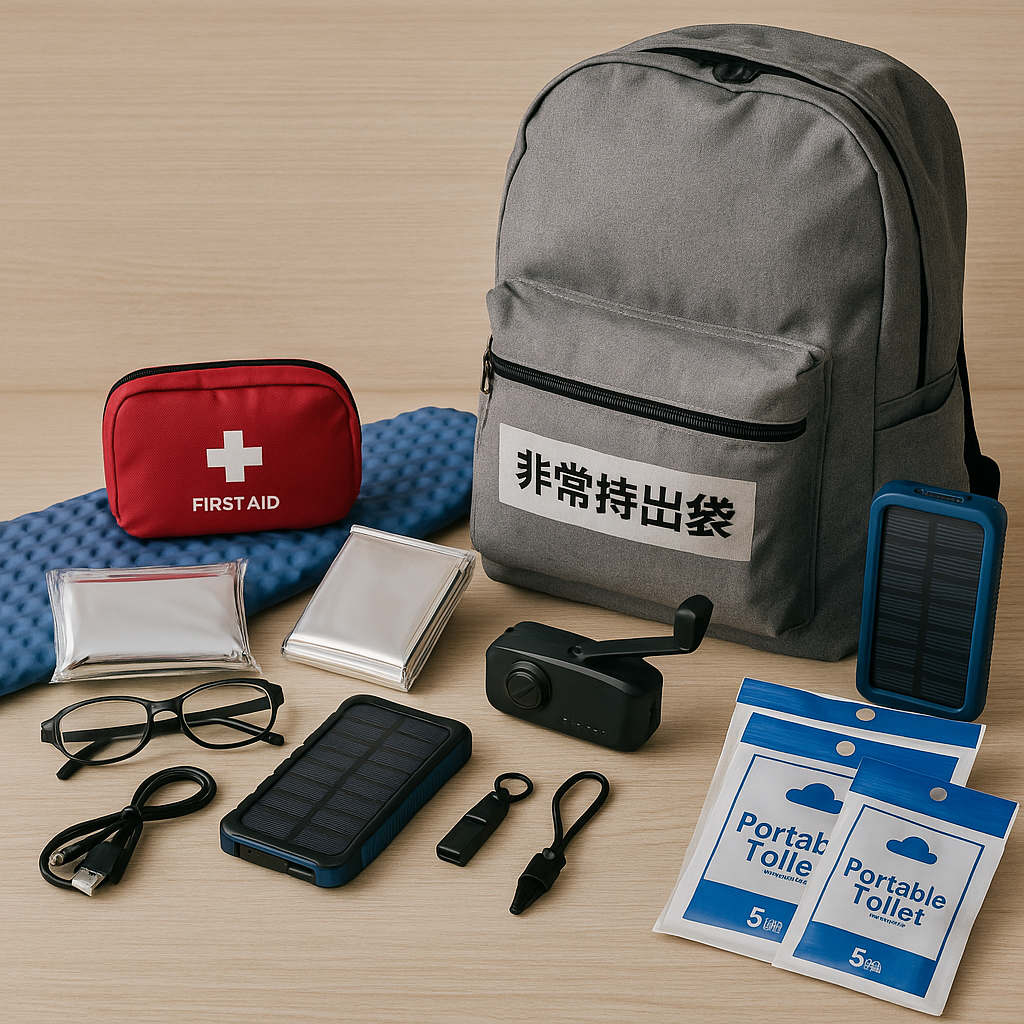
A commercial kit is not automatically appropriate for the people who must carry and use it. Build the kit from local hazards, evacuation instructions, household conditions, and actual carrying weight—not from a claim that a disaster can be predicted.
Confirm the destination and routes first
Use the local authority's hazard map, shelter list, alert channels, and more than one route. The safer action differs by hazard, so do not assume that every emergency requires the same destination.
Check seven functions
FEMA's Build A Kit guidance covers water, food, communication, light, first aid, sanitation, and household-specific needs. Review:
- Water and ready-to-eat food: portable quantity, dietary restrictions, and allergies
- Medication and medical information: prescriptions, glasses, hearing devices, and care instructions
- Light: a working flashlight and compatible spare batteries
- Communication: charged phone, backup power, radio, and a paper contact card
- Sanitation: toilet supplies, masks, hand, menstrual, and infant items
- Physical safety: gloves, suitable footwear, and a whistle matched to the user
- Identity and individual needs: document copies, cash, pet supplies, and seasonal protection
Keep the home stockpile separate
Japan's Cabinet Office preparedness checklist distinguishes portable items from supplies stored at home and recommends rotating ordinary shelf-stable food. A multi-day household water supply is not the same as the amount one person can safely carry while evacuating.
Separate home stock, portable evacuation supplies, and everyday carry. Adapt the quantity to local official advice.
Perform a carry and function test
- Can each intended user carry the packed bag along the first part of the route?
- Do the light, radio, and power bank work?
- Are food, medicine, and batteries within date?
- Has the kit changed with medication, child growth, season, or household members?
- Does everyone know contacts and meeting points?
Write the inspection date on the kit. During an emergency, following local directions and reaching safety takes priority over returning for equipment.
Conclusion
The goal is not seven recommended products but seven functions the household can actually carry and use. Separate evacuation and home supplies, adapt them to local hazards, and retest operation, dates, and weight.
Primary sources checked
Important claims should also link to the relevant source in the article body.
- Check your preparedness for natural disastersCabinet Office, Government of Japan · government · Checked: 2026-07-26
- Build A KitFederal Emergency Management Agency · government · Checked: 2026-07-26