
A Five-Day Test for Safer Air-Conditioning Savings
Compare room conditions, weather, runtime, energy use, and occupancy instead of assuming one thermostat or always-on rule saves money in every home.
2 min read
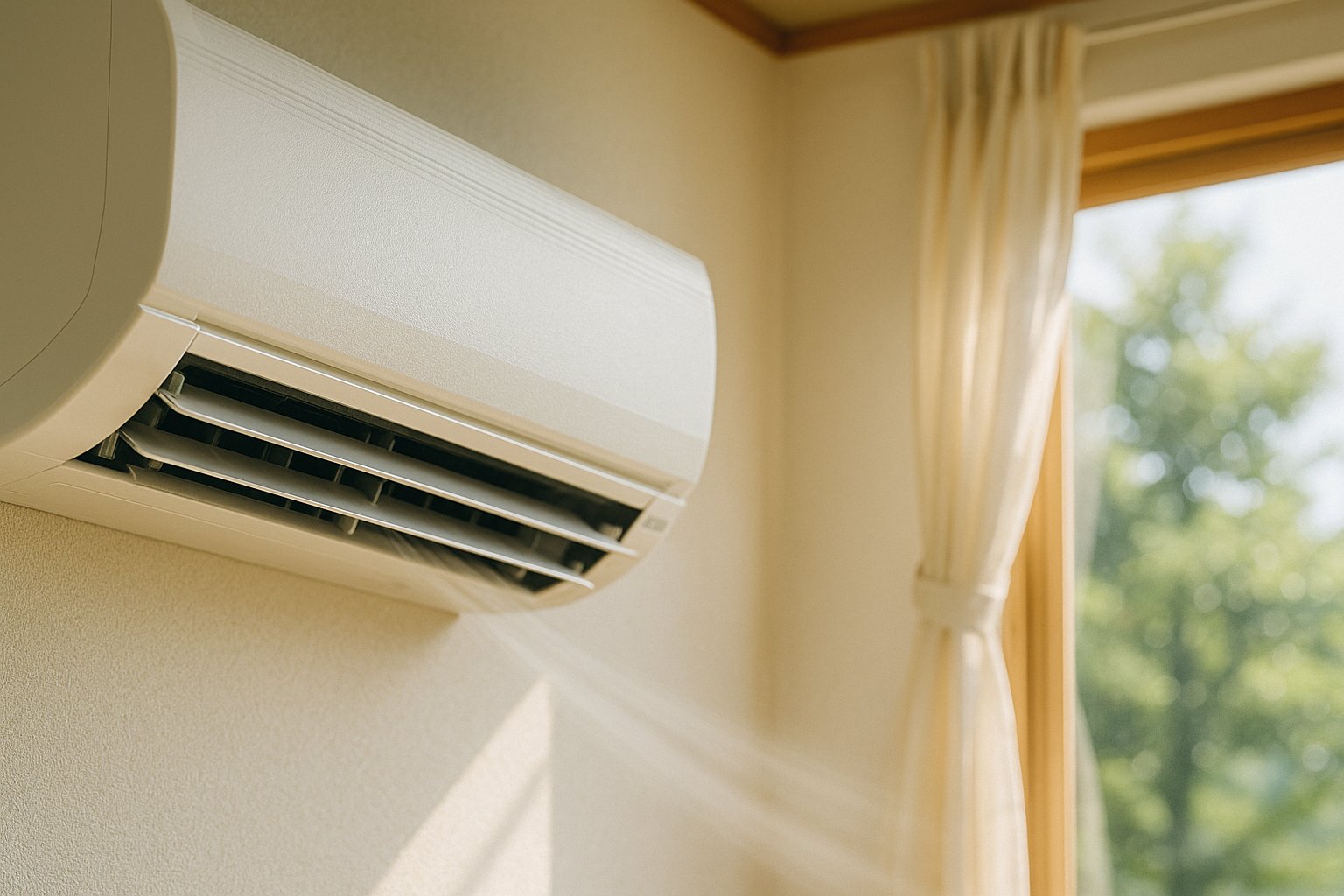
No single thermostat setting, always-on rule, or shutoff interval minimizes cost in every home. Insulation, solar gain, equipment, weather, occupancy, and time away change the result. Hold safety conditions constant and measure the actual energy use.
Define the safety boundary first
The experiment stops if a household member cannot remain safely cool or develops possible heat-illness symptoms. Older adults, children, people with relevant conditions or medication, and people who cannot adjust controls may require a more conservative plan.
CDC/NIOSH heat recommendations emphasize reducing exposure, adding rest and cooling, and adjusting controls as heat, humidity, sun, clothing, and workload increase. Saving energy does not replace those controls.
Start with no-cost checks
The U.S. Department of Energy's home cooling guide explains that cooling choices depend on climate and building conditions. Check:
- a clean filter on the maintenance schedule;
- an unobstructed outdoor unit;
- reduced direct solar gain where practical;
- closed doors and windows during operation; and
- airflow that is not blocked by furniture.
Follow the equipment manual and lease terms before attaching controls or window materials.
Record five days
Use the same utility interval data, smart meter, or equipment energy display each day.
| Day | Weather | Room temperature/humidity | Runtime and setting | Energy used | Occupancy and comfort |
|---|---|---|---|---|---|
| 1 |
Record two normal days, then change one factor—such as filter condition, shading, or schedule. Do not treat days with very different weather or occupancy as a clean comparison.
Do not make “always on” a universal rule
High startup power does not by itself prove that a long unoccupied runtime costs less. Compare short and long absences separately and keep the safe indoor-condition boundary unchanged.
Before placing an air conditioner on a smart plug, verify the plug's electrical rating and the equipment manufacturer's instructions. A general-purpose plug is not automatically suitable for switching a high-load appliance.
Conclusion
Base a savings decision on measured energy while maintaining safe indoor conditions. Maintenance, outdoor-unit airflow, solar gain, and one-factor-at-a-time testing create a result that belongs to the actual home rather than a universal claim.
Primary sources checked
Important claims should also link to the relevant source in the article body.
- Workplace RecommendationsCDC/NIOSH · public-medical · Checked: 2026-07-26
- Home CoolingU.S. Department of Energy · government · Checked: 2026-07-26