
Headaches and Fatigue Before a Typhoon… Causes of “Weather-Related Illness” and the Right Ways to Deal with It
“I start feeling unwell before a typhoon…” That Might Be Weather-Related Illness
3 min read
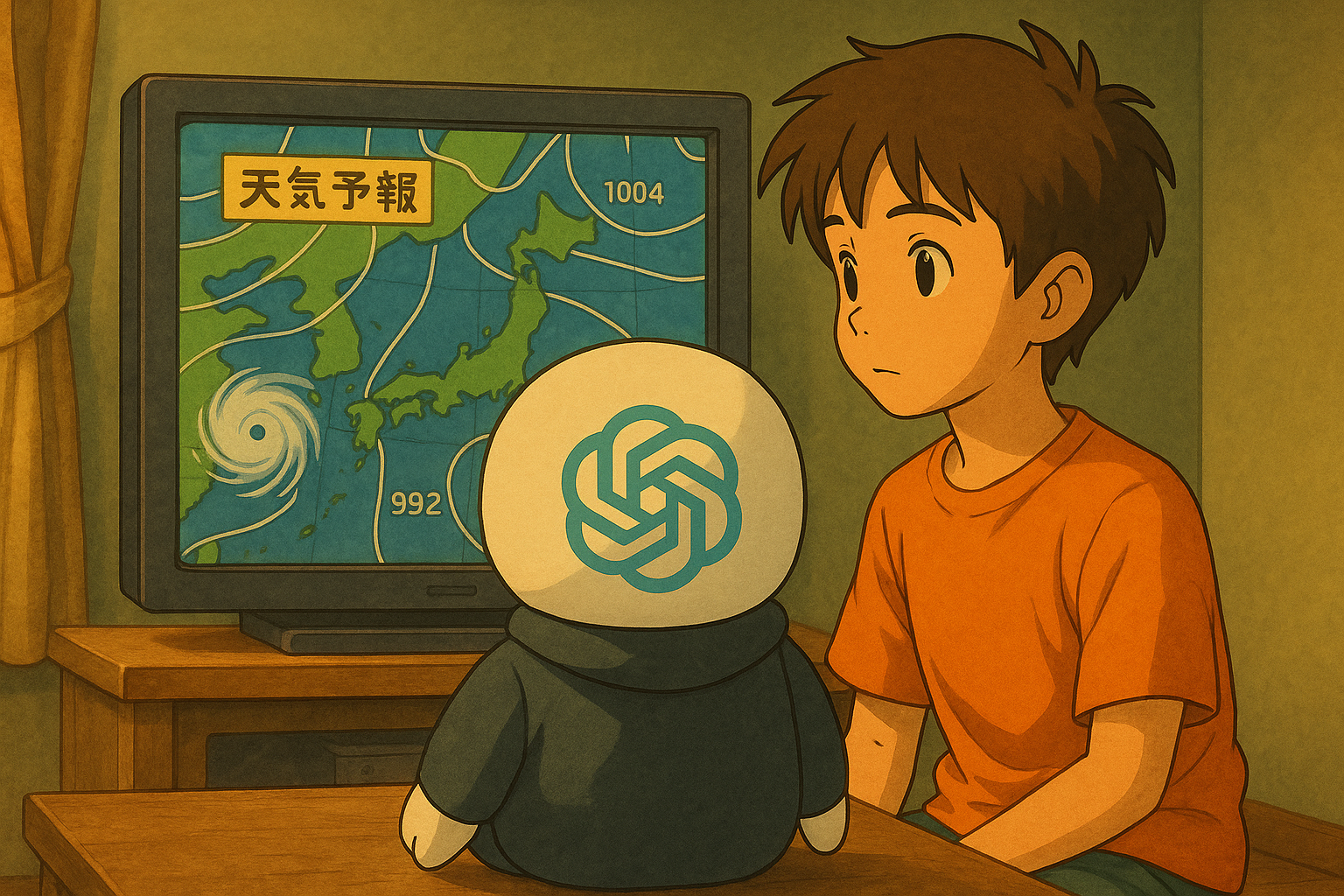
“I start feeling unwell before a typhoon…” That Might Be Weather-Related Illness
When typhoon season rolls around, we often hear people say things like, “I have a headache,” “I feel sluggish,” or “My old injuries are acting up.”
This is a phenomenon known as weather-related illness, which is often triggered by sudden changes in atmospheric pressure, especially before a typhoon.
This guide explains in detail how typhoons cause weather-related illness and what you can do about it starting today.
The Relationship Between Typhoons and Weather-Related Illness
As a typhoon approaches, atmospheric conditions change rapidly.
- Air pressure drops → Pressure sensors in the inner ear are stimulated, making the autonomic nervous system more prone to disruption
- Humidity rises → Sweating and body temperature regulation become difficult, increasing feelings of fatigue
- Wind and the sound of rain → Sleep quality decreases
As a result, the following symptoms are more likely to occur:
- Migraines and tension headaches
- Dizziness and a feeling of ear congestion
- General fatigue and joint pain
- Low mood and difficulty concentrating
Main Symptoms of Weather-Related Illness Caused by Typhoons
- Headaches: Imbalance in the expansion and contraction of blood vessels
- Dizziness: Disruption of the sense of balance due to changes in inner ear pressure
- Joint pain and pain from old injuries: Lower atmospheric pressure makes you more susceptible to inflammation and pain
- Fatigue: A feeling of exhaustion caused by disruption of the autonomic nervous system
Start Today! Ways to Cope with Weather-Related Illnesses
1. “Prepare” with a Barometric Pressure Forecast App
- Use apps that provide weather-related illness forecasts and barometric pressure graphs
- Identify in advance when symptoms are likely to occur and adjust your schedule and activities accordingly
2. Massage Around the Ears
- Gently cup your entire ear and move it up and down, side to side, and in circles for 30 seconds each
- This promotes blood flow to the inner ear and helps alleviate balance disturbances
3. Stay Well-Hydrated and Replenish Salt Intake
- Blood flow and fluid balance are crucial for stabilizing the autonomic nervous system
- Replenish salt not only with water but also with oral rehydration solutions or miso soup
4. Alternating Hot and Cold Showers
- Warm your feet first, then rinse with cold water; repeat this alternation 2–3 times
- This stimulates the contraction and dilation of blood vessels, helping to regulate the autonomic nervous system’s rhythm
5. Deep Breathing and Stretching
- Breathe in slowly through your nose and out through your mouth 10 times
- Improve blood flow with light stretches of your shoulders and neck
Things to Avoid
- Excessive caffeine intake: Even if symptoms temporarily improve, they may worsen as a rebound effect
- Sudden exercise: May exacerbate dizziness or headaches
- Lack of sleep: Can worsen autonomic nervous system imbalances
Summary
When it comes to weather-related illnesses caused by typhoons, the key is “prevention” and “early response.”
By staying informed about changes in atmospheric pressure in advance and adjusting your lifestyle and health management, you can minimize your symptoms.
- Stay ahead of the curve with a barometric pressure forecast app
- Care for your autonomic nervous system with ear massage and deep breathing
- Maintain your physical condition by staying hydrated and replenishing salt
Please use this article as a guide to protect your body and mind during this year’s typhoon season.