
People who “get sleepy after drinking coffee” share a common physical trait
Why coffee can coincide with sleepiness for some people, and which explanations should be treated cautiously.
3 min read
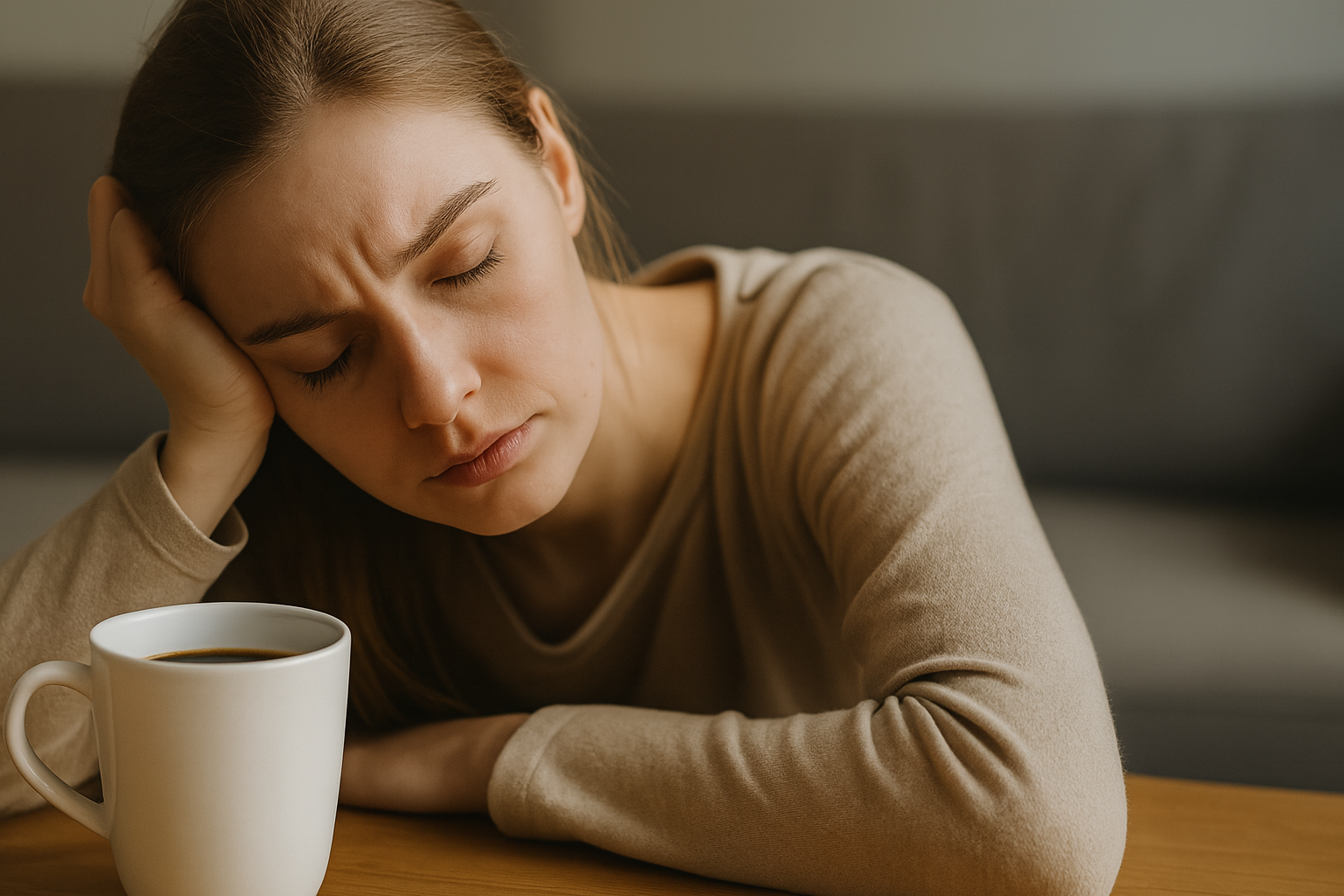
“For some reason, drinking coffee makes me sleepy…”
Some people instead feel sleepy after drinking coffee.
Generally speaking, coffee is seen as a “wake-up drink.”
But some people have the strange experience of actually feeling sleepier.
In fact, this might be a sign of a certain body type.
Does “Caffeine = Alertness” Not Apply to Everyone?
Caffeine stimulates the brain and promotes alertness.
That’s why many people feel “more alert” and “more focused.”
However, some people experience reactions such as feeling sluggish, sleepy, or, conversely, dazed.
This doesn’t mean “caffeine doesn’t work for them”; it’s highly likely that their body simply isn’t suited to it.
The Cause: Differences in “Caffeine Metabolizing Enzymes”
Caffeine is broken down by an enzyme in the liver (CYP1A2).
There are genetic differences in how this enzyme functions, and people can be divided into two types:
- Fast metabolizers: Break down caffeine quickly → Tend to feel the stimulating effects more easily
- Slow metabolizers: Take longer to break it down → Put a strain on the body for an extended period
For slow metabolizers, caffeine remains in the body longer and continues to stimulate the nervous system,
which can cause the autonomic nervous system to become disrupted → leading to drowsiness and fatigue—the opposite reaction.
What Kind of People Are “Prone to Drowsiness”?
People who feel sleepy after drinking coffee share several common physical tendencies.
People Prone to Autonomic Nervous System Imbalances
People who are sensitive to stress and fatigue, and whose balance between relaxation and tension is easily disrupted,
may find that their nervous system cannot switch gears properly due to the stimulation of caffeine.
As a result, they experience a state of “dazed” or “excessive sleepiness.”
People with HSP (Highly Sensitive Person) Tendencies
People with an HSP constitution—who are sensitive to sounds, smells, and the presence of others—are also sensitive to caffeine.
Their brains may interpret this as “overstimulation” and shut down, which can cause drowsiness.
People with Adrenal Fatigue or Hormonal Imbalances
Caffeine puts a strain on the adrenal glands and affects hormonal balance.
When consumed by people experiencing chronic fatigue or low energy,
it can actually cause the brain and body to send “rest” signals, making them drowsy.
Is There Actually a Connection to “Blood Sugar Levels”?
Another possibility is sudden fluctuations in blood sugar levels.
Since caffeine inhibits the action of insulin,
some people may experience disrupted blood sugar levels, making them more prone to drowsiness.
In particular, drinking “sweet café lattes” or “black coffee on an empty stomach”
can easily lead to symptoms similar to hypoglycemia (lethargy, difficulty concentrating, drowsiness).
Coffee Doesn’t Suit Everyone
Everyone reacts differently to caffeine.
“Feeling awake” isn’t the only correct answer; the reaction your body shows is the true “sign” of what’s right for you.
People with the following characteristics tend to feel sleepy after drinking coffee:
- Those with shallow sleep or an unstable autonomic nervous system
- Those who are sensitive and prone to stress
- Those who habitually consume sweets with their coffee
- Weak digestive system / Prone to stomachaches
Summary: Your Body’s Reactions Have Meaning
The idea that “coffee = a wake-up aid” doesn’t necessarily apply to everyone.
If caffeine makes you sleepy, your body may be
sending a clear signal that it “isn’t right for you right now.”
There are other ways to combat drowsiness, such as taking a short nap, doing light exercise, or getting some sunlight.
Get to know the rhythm that suits your body type, and find ways to boost your performance without straining yourself.