
Is the feeling of fatigue when atmospheric pressure drops just a “superstition”? Or is there science behind it?
What research can and cannot establish about headaches, fatigue, and other symptoms reported around changes in atmospheric pressure.
3 min read
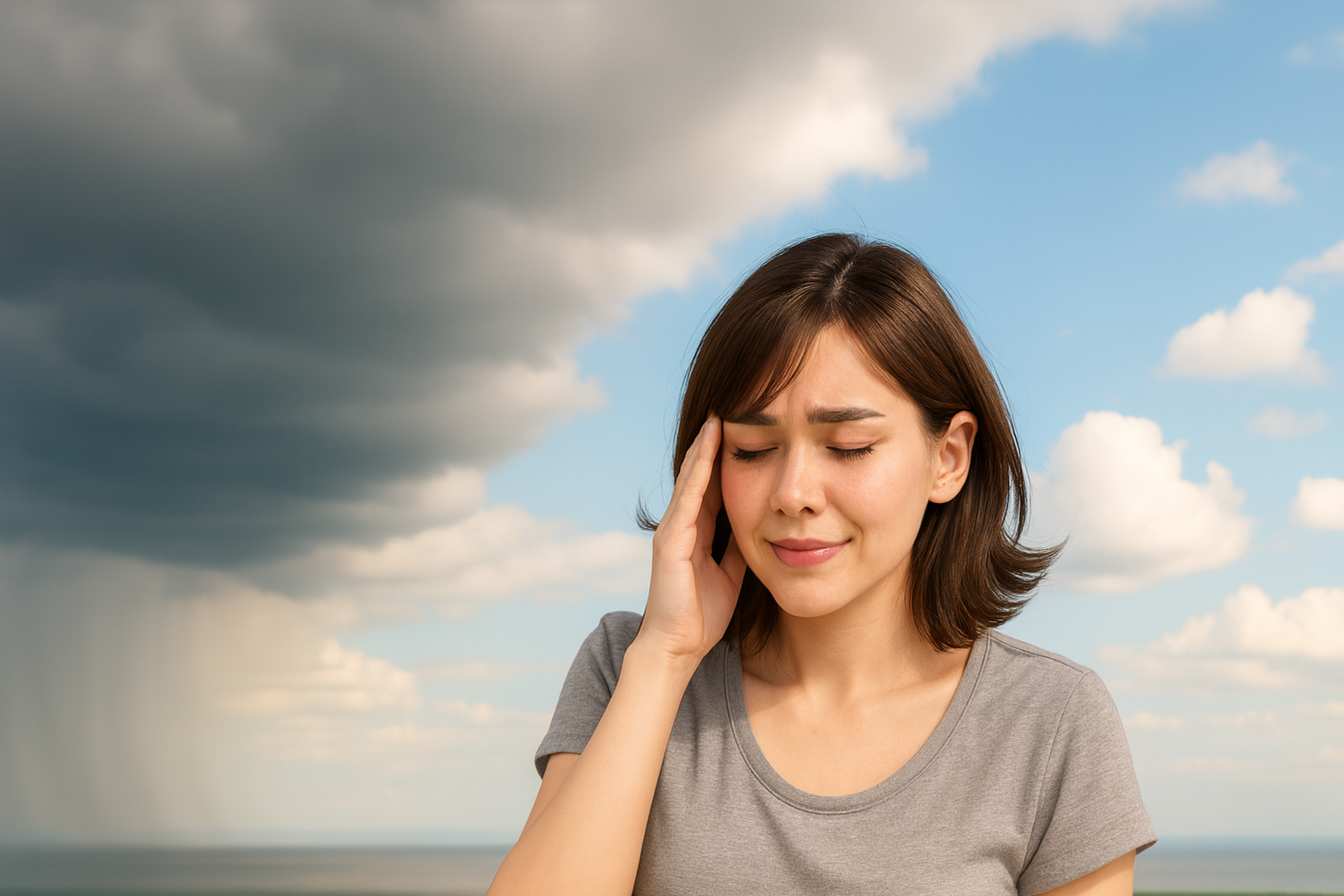
Some people report heaviness, a fuzzy head, or headaches as rain approaches.
While some tend to dismiss these as “all in your head” or “superstition,” what does science have to say about it?
The Big Picture: What We’re Talking About Now
Terms like “weather-related pain” and “weather-related illness” have become quite common.
According to a survey in Japan, approximately 60 percent of people reported that “changes in the weather make them feel unwell.” In other words, this is an everyday phenomenon for many people—and a topic that cannot be dismissed.
How Science Explains It
-
The Inner Ear Acts as a Barometric Sensor
The vestibular organs deep within the ear react to changes in atmospheric pressure, which can affect our sense of balance and overall well-being. -
Disruption of the Autonomic Nervous System’s Balance
When the switch between the sympathetic and parasympathetic nervous systems becomes unstable, it can lead to fatigue, drowsiness, and headaches. -
Blood Vessels Dilate and Serotonin Levels Fluctuate
When blood vessels in the brain dilate, it can trigger migraines, and fluctuations in serotonin—which helps stabilize mood—also contribute to these symptoms.
Why It Was Once Considered a “Superstition”
- Serious medical research on this topic has only progressed over the past decade or so.
- Because there is significant individual variation, it was often dismissed as simply a matter of “mindset.”
- For a long time, it was treated as “folk wisdom,” and there was a lack of scientific evidence.
Practical Tips: Steps You Can Take in Your Daily Life
1) Regulate Your Autonomic Nervous System Rhythm
- Maintain a Regular Sleep Schedule
Keeping your bedtime and wake-up time consistent helps your body transition more smoothly. - Engage in Light Physical Activity
A morning walk or stretching activates the sympathetic nervous system and helps prevent lethargy. - Deep Breathing and Meditation
Slow, deep breathing stimulates the parasympathetic nervous system and promotes relaxation.
2) Visualize “Changes in Atmospheric Pressure”
- Use an atmospheric pressure forecast app
Use apps like “Headache-ru” to detect drops in atmospheric pressure in advance. - Keep a health log
Recording your symptoms alongside barometric pressure graphs helps you identify your “weak spots.”
3) Relaxation and Warming
- Ear massage
Gently pull or rotate your ears to promote blood flow and reduce sensitivity to barometric pressure changes. - Warm Your Neck and Shoulders
Use a warm, damp towel to improve blood flow and relieve headaches and stiffness.
4) Simple Nutritional Care
- Caffeine in Moderation
Coffee and green tea can constrict blood vessels and may help relieve headaches. - Stay Hydrated Regularly
Dehydration can worsen autonomic nervous system imbalances, so drink room-temperature water in small sips. - Magnesium + B Vitamins
These nutrients support nervous system stability and can help prevent “low-pressure fatigue.”
5) What to Do When Symptoms Are Severe
- Rest in a Dark, Quiet Room
Severe migraines often ease when light and sound are blocked out. - Medication Is Also an Option
Taking pain relievers under a doctor’s guidance is an appropriate course of action.
Related Links
Summary
It has become clear that the relationship between falling air pressure and physical discomfort is not merely a superstition but is backed by scientific evidence.
However, sensitivity varies from person to person. It’s wise to first identify your own patterns and gradually establish habits to help you get through days with low air pressure.