
2025: The “Year One of AI Agents” Has Arrived! A Summary of the Cutting Edge of Evolution
By 2025, AI will evolve into agents capable of autonomously planning and executing tasks once given a goal. Here’s a summary of the key players and the impact on the field.
2 min read
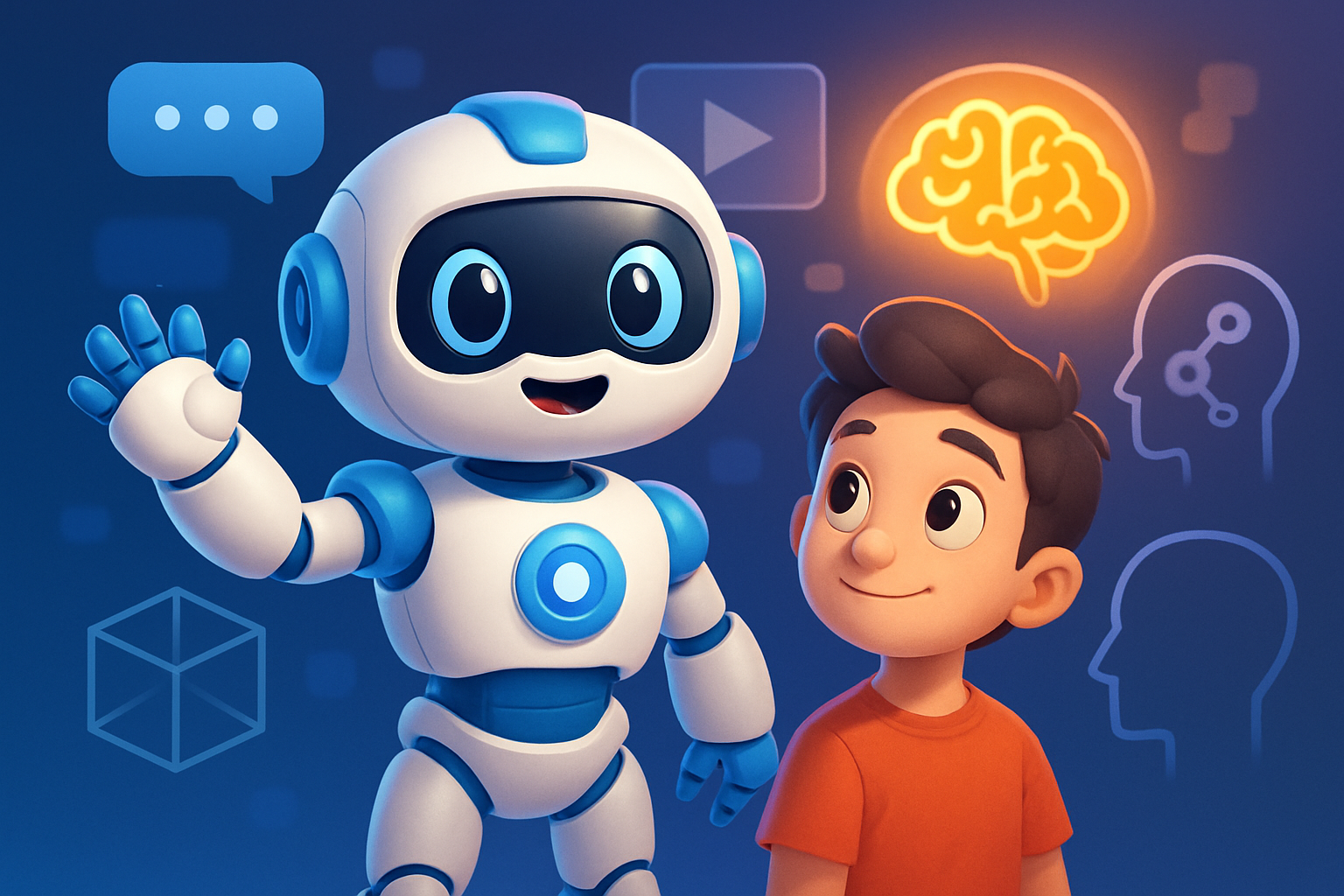
As AI systems that autonomously plan and execute tasks once given a goal continue to emerge one after another, we’ll outline the latest players and trends to help you keep up with this shift.
1. Autonomous AI Agents Become Part of Everyday Life
2025 is truly the “Year One of AI Agents.”
Moving beyond traditional assistants like ChatGPT, AI that autonomously plans and executes tasks once given a goal is emerging one after another.
OpenAI is rolling out “ChatGPT Operator,” while Microsoft is deploying an evolved version of its Copilot feature.
2. The Practical Application of Multimodal AI
AI that can simultaneously understand and generate not only text but also images, audio, and video is rapidly gaining traction.
Google’s “Gemini 2.5 Pro” and OpenAI’s “GPT-4o” can automatically generate documents from images and even summarize videos.
Pinterest and design-related services are also utilizing content recommendations powered by multimodal AI.
3. Evolving Toward “Thinking AI”
“Thinking AI”—capable of not only generating content but also performing logical reasoning—is on the rise.
New models utilizing “Chain-of-Thought” are being applied to scientific verification and legal reviews.
OpenAI’s new model, “O1,” is also drawing attention for its design that enables advanced reasoning.
4. Future Outlook and Points to Note
In the future, technologies such as robots, quantum cryptography, and edge AI are also set to emerge.
On the other hand, concerns have been raised about “model collapse” (a phenomenon where AI performance degrades because it learns only from its own outputs), and the importance of human verification and correction has been reaffirmed.
Summary
2025 will be the year AI evolves from a “tool” to a “partner.”
The Imidef Blog will continue to respond quickly to these changes and share updates on the current state of practical AI.