
Why Is Medieval Europe So “Romantic”?
Stone castles, knights’ vows, deep forests, and candlelight— Why are we so drawn to this “Medieval European-style” world?
3 min read
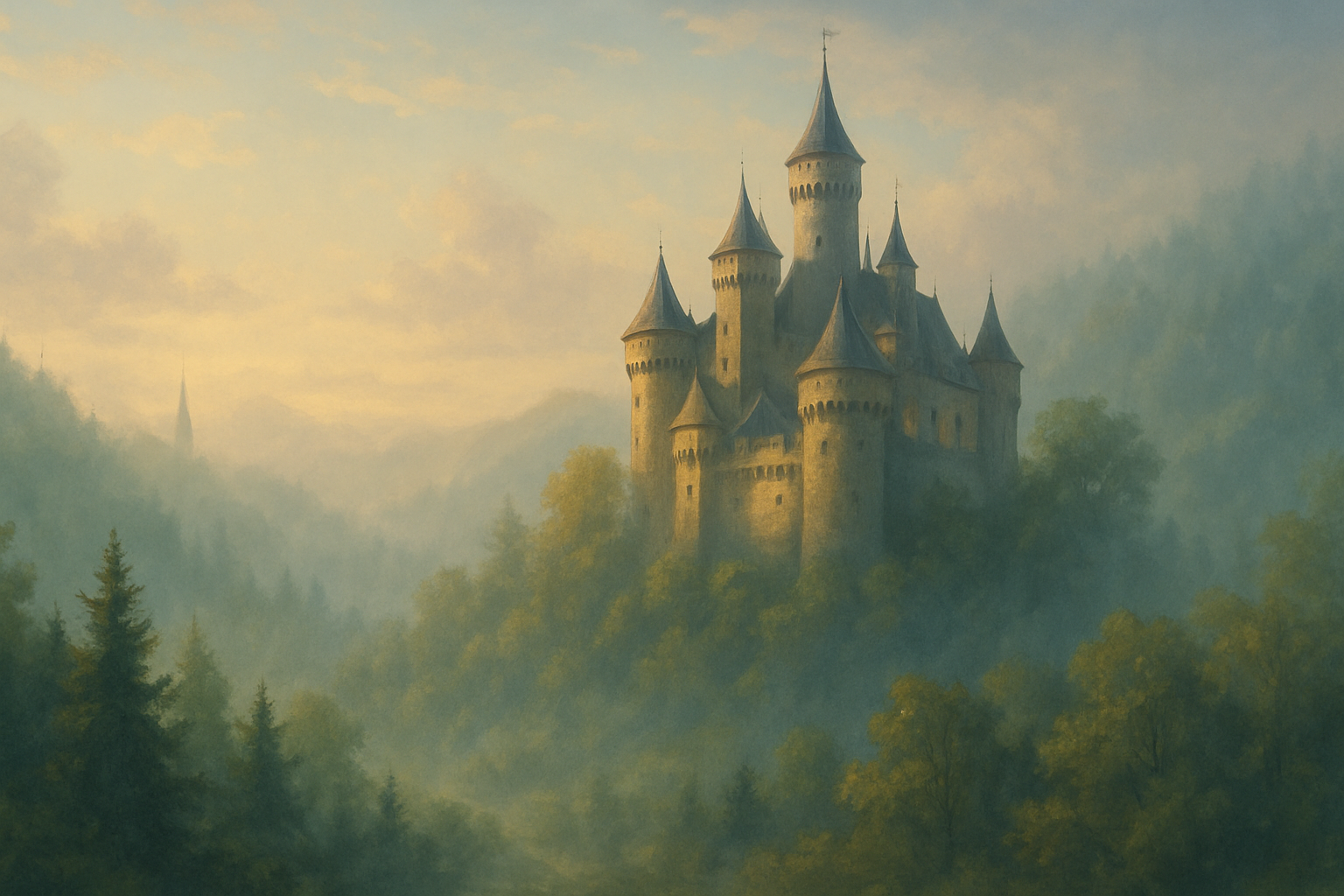
Stone castles, knights’ vows, deep forests, and candlelight—
Why are we so drawn to this “Medieval European-style” world?
This guide explores the true nature of the “romance” we feel about Medieval Europe from psychological and cultural perspectives.
The Source of “Romance” Is “Longing for What Is Lost”
We live in a convenient and free era.
Even so, don’t you sometimes feel a sense of “claustrophobia” or “chaos”?
The worldview of medieval Europe is the exact opposite.
- Time that flows slowly
- Solemn stillness
- Clear roles and order
These are “quiet values” rarely seen in the modern world.
In other words, the romance of medieval Europe is a longing for “what is not here now.”
The “Ambiguous Present” and the “Clear-Cut Past”
Modern society offers many choices and is built on the premise of “freedom.”
On the other hand, it also gives rise to “anxiety about not being able to become anything” and “ambiguity regarding one’s role.”
The medieval world was—
- Roles were clearly defined (peasants, knights, clergy, etc.)
- There was an order supported by faith and discipline
- Social rules were simple
This “clarity” is also an element that makes us, living in the modern age, feel a sense of “envy.”
The “Idealized Middle Ages” in Fantasy Works
The “Medieval European-style” worlds that appear in movies and video games are
depicted as far more beautiful than actual history.
- Knights are noble and brave
- Castles are mysterious and impregnable
- Forests teeming with magic and spirits
These are not the real Middle Ages, but rather “the Middle Ages as envisioned by humans as an ideal”.
In other words, the “romance” we feel is directed toward a medieval world of fantasy, not historical fact.
“Romance” is something created within ourselves
The reason we find medieval Europe “beautiful” may be
because we project “our own ideals” and “healing” onto it.
- People who seek “peace of mind” in a disciplined world
- People who find “healing” in tranquil moments
- People who, precisely because of its restrictions, yearn for “certainty”
The reasons for being drawn to the Middle Ages vary from person to person.
However, what they all have in common is that they are trying to compensate for emotions that are difficult to satisfy in the modern world.
In Closing: The Modern Mind Reflected in the Mirror of the Middle Ages
What we perceive as “romance” may not be
the past itself, but rather “the future reflected in the past.”
Being drawn to medieval Europe is
proof that we sense “what is missing from our current lives.”
If we cherish that feeling,
we may be able to reclaim a little bit of tranquility in our busy modern lives.