
What the “Myth” of Medieval Europe Teaches Us
**Even though it’s a “past” that must have actually existed, it somehow feels like “fantasy.”** Medieval Europe—just hearing that name likely brings to mind cas
2 min read
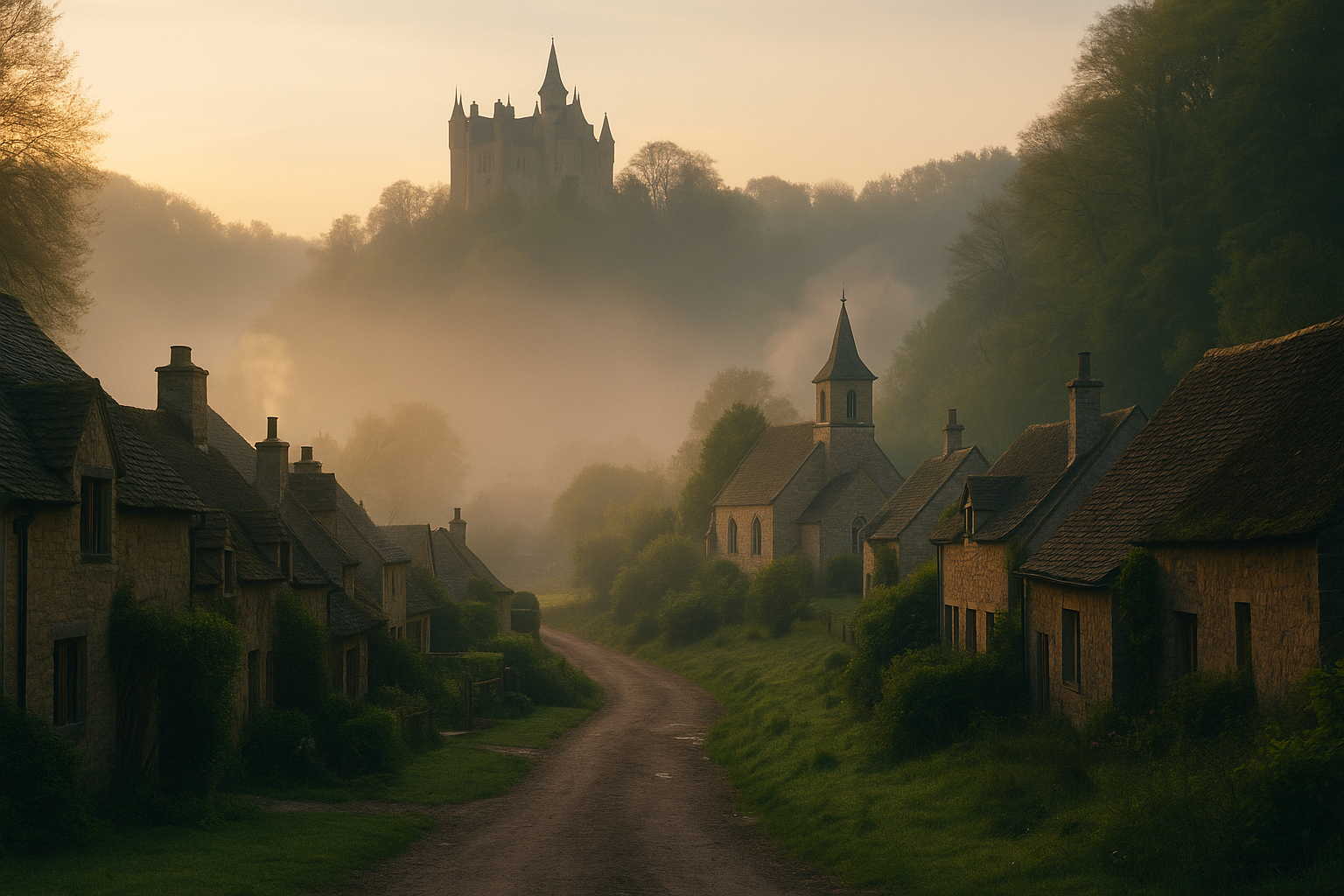
Even though it’s a “past” that must have actually existed, it somehow feels like “fantasy.”
Medieval Europe—just hearing that name likely brings to mind castles, forests, knights, prayers, and the glow of flickering flames for many people.
Why do we project so many “stories” onto the medieval era?
Perhaps the true nature of that “fantasy” holds clues for how we should live today.
What Lies Between “Reality” and “Ideal”
Historically speaking, the Middle Ages were by no means a comfortable or happy era.
Plagues, discrimination, superstition, war… In fact, the modern world is far safer and freer.
Yet the reason we project an “utopia” onto the Middle Ages is
because of the “psychology of projection,” in which we overlay “dissatisfaction with reality” onto “ideal forms.”
In other words, the fantasy of the Middle Ages is—
a mirror that reflects the question, “What are we lacking today?”
Why Are We Drawn to the “Fictional”?
Perhaps we are drawn to fantastical worlds because we subconsciously feel that “there is truth there.”
- A longing for “a slower pace of life” in contrast to our overly busy modern world
- A yearning for “clear order” in contrast to our chaotic society
- A longing for “community” in the face of an individualized society
When our hearts flutter at the sight of the Middle Ages in fantasy works or games,
it is the moment we are sensing an inner wish: “I wish I could live like this.”
Bringing the Power of Fantasy Back to Reality
What matters isn’t thinking, “It’s just fantasy, so it’s no good”—
but rather the perspective of how to apply the “positives” we feel in fantasy to our reality.
For example:
- Even when surrounded by technology, try to be mindful of “time spent in harmony with nature”
- Amid social media fatigue, make time to “deliberately talk to people”
- Within freedom, find “your own sense of order and rhythm”
These approaches transform our longing for the Middle Ages from mere escapism into wisdom that enriches the present.
In Closing | A Fantasy Is the “Voice of the Heart”
What are we seeing in the fantasy of medieval Europe?
It may be
the deep-seated wishes within our hearts—
“This is how I want to be”
“I wish things were like this”.
And that fantasy—
gently reveals what “the present self” truly values.
That is precisely why, at times, engaging with this fantasy might be
a gentle way to connect with our true feelings.