
Using AI to Sustain New Learning Without Claiming It Extends “Brainspan”
A four-week learning workflow that uses AI for task breakdown and review without claiming to prevent cognitive decline.
2 min read
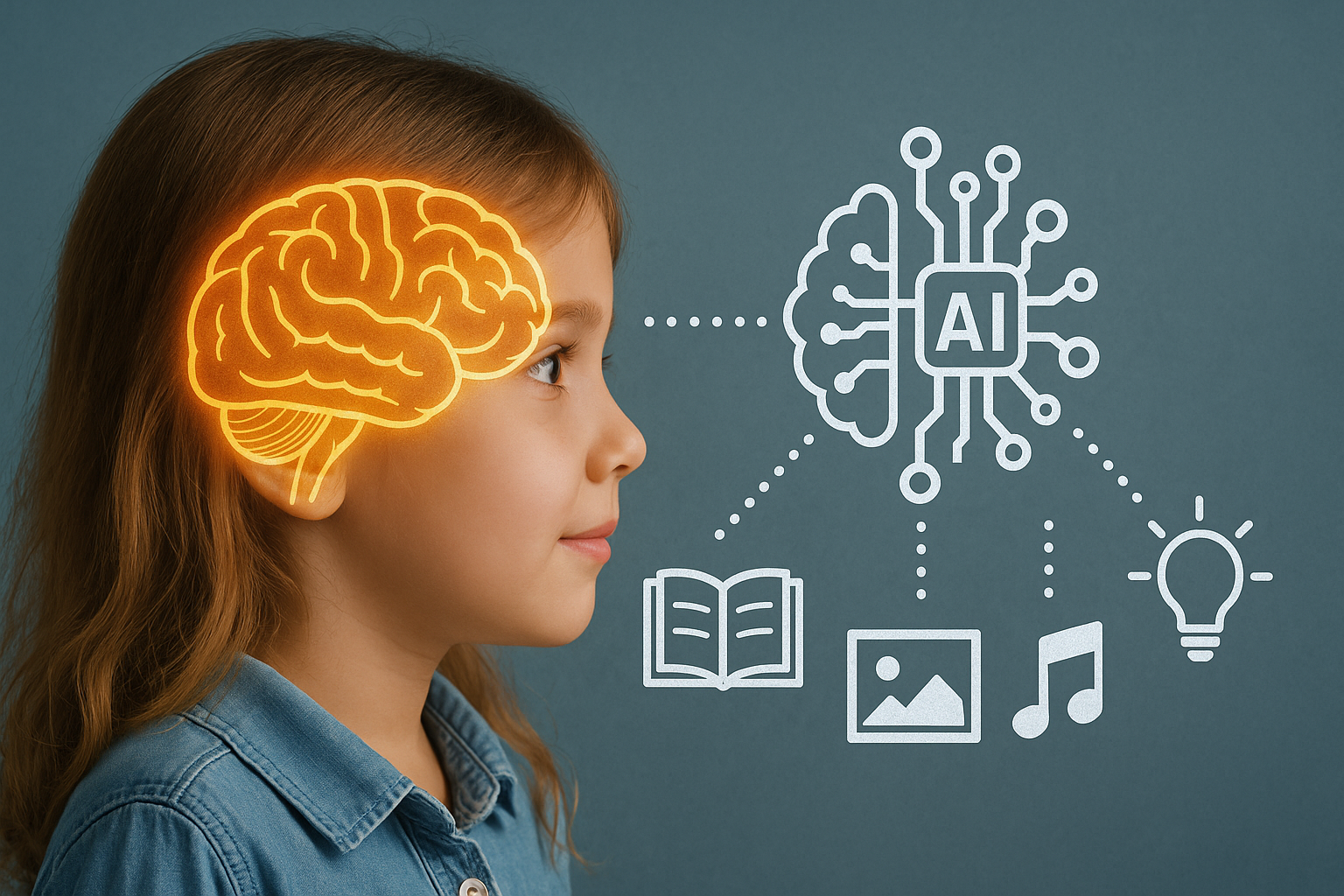
AI can suggest a new learning task, produce retrieval questions, and summarize a study log. That does not establish that AI-driven novelty extends a “brainspan” or prevents cognitive decline. This page is about managing learning, not promising a medical outcome.
The evidence boundary
The U.S. National Institute on Aging's cognitive-health overview discusses research on meaningful activities and cognitive training but notes that lasting cognitive effects are not definitive. It also cautions against assuming that commercial brain-training apps have the same effects as specific research programs.
WHO's physical-activity fact sheet describes broad health benefits of activity. It does not validate the exact AI program below, and appropriate activity depends on health, ability, and conditions.
What AI may handle
- Break a 25-minute task into smaller steps.
- Create retrieval questions from material you provide.
- Summarize what was completed and what remains unclear.
- Reduce the next task when the current one was too difficult.
Do not let AI alone determine pronunciation accuracy, medical changes, or improved cognitive function.
A four-week example
| Week | Small task | What to record |
|---|---|---|
| 1 | Learn three short phrases | What you recalled and what remained unclear |
| 2 | Make one small photo, text, or music item | The process used, not whether it was impressive |
| 3 | Walk only when conditions and health allow, then review | Time, workload, heat, and any reason to stop |
| 4 | Revise one small work | The change and one next step |
Stop on an unwell day or when the task creates excessive strain. Replace outdoor activity when weather or heat makes it unsuitable.
Do not turn the log into a health score
Track duration, task, difficulty, and the next adjustment. A subjective mood or memory rating is a note, not evidence of medical improvement. Seek professional evaluation for concerning memory changes or difficulty with daily activities.
Prompt example
Create a learning task that takes 25 minutes: five minutes to prepare, 15 minutes to practice, and five minutes to review. Do not assess health benefits or invent facts that were not provided.
Conclusion
Use AI to make learning smaller and the record clearer. Judge the workflow by whether it is manageable and produces a concrete next step—not by an unsupported promise that it improves brain health.
Primary sources checked
Important claims should also link to the relevant source in the article body.
- Cognitive Health and Older AdultsNational Institute on Aging · public-medical · Checked: 2026-07-26
- Physical activityWorld Health Organization · public-medical · Checked: 2026-07-26